
Your Location:Home > Products > Pharmaceutical intermediates >51-17-2
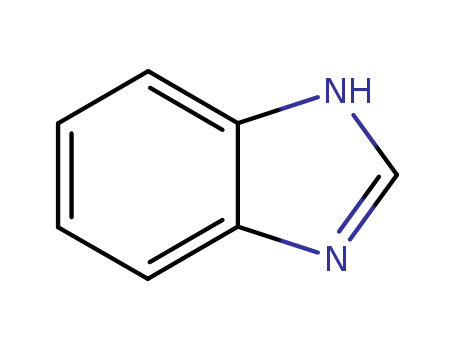
Product Details
|
Air & Water Reactions |
Insoluble in water. |
|
Reactivity Profile |
An amine. Neutralizes acids to form salts plus water. These acid-base reactions are exothermic. May be incompatible with isocyanates, halogenated organics, peroxides, phenols (acidic), epoxides, anhydrides, and acid halides. Flammable gaseous hydrogen is generated in combination with strong reducing agents, such as hydrides. May be shock sensitive. |
|
Health Hazard |
ACUTE/CHRONIC HAZARDS: When heated to decomposition Benzimidazole emits highly toxic fumes. |
|
Fire Hazard |
Flash point data for Benzimidazole are not available. Benzimidazole is probably combustible. |
|
Pharmacology |
The mode of action of benzimidazoles has been described in several comprehensive reviews (1,32,33). The primary mode of action of benzimidazoles has been identified as the specific binding to the β-subunit of fungal tubulin and, consequently, an interference with microtubule assembly. Microtubules are major components of the fungal cytoskeleton and are involved in meiosis and mitosis, both of which are blocked in the presence of benzimidazoles. |
|
Safety Profile |
Poison by intravenous and intraperitoneal routes. Moderately toxic by ingestion. Mutation data reported. When heated to decomposition it emits highly toxic fumes of NOx. |
|
Purification Methods |
It crystallises from water or aqueous EtOH (charcoal) and is dried at 100o for 12hours. [Beilstein 23 H 131, 23/6 V 196.] |
|
General Description |
Benzimidazole is a heterocyclic compound with a fused benzene and imidazole ring structure, serving as a core scaffold in numerous biologically active derivatives. It is widely utilized in pharmaceuticals due to its diverse pharmacological properties, including antimicrobial, anticancer, and antihypertensive activities. Benzimidazole derivatives are synthesized through various methods, such as condensation reactions, oxidative C-H functionalization, and microwave-assisted one-pot synthesis, often yielding compounds with enhanced biological efficacy. The structural versatility of benzimidazole allows for functionalization at multiple positions, enabling the development of targeted drug candidates. Its derivatives are also explored in organometallic complexes and as intermediates in medicinal chemistry, underscoring its significance in drug discovery and development. |
InChI:InChI=1/C7H6N2/c1-2-4-7-6(3-1)8-5-9-7/h1-5H,(H,8,9)
The synthesis of a conformationally cons...
A new metal-organic coordination polymer...
UV/Visible spectroscopy has been used to...
-
The synthesis and isolation of the inter...
-
-
-
It is a challenging task to simultaneous...
Aryl radical generation from the corresp...
A facile, eco-friendly, efficient, and r...
α-Glucosidase inhibitors (AGIs) are used...

1-methyl(4-nitrophenyl)aminobenzimidazole


benzoimidazole

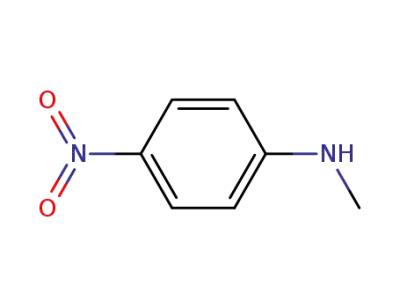
N-methyl(p-nitroaniline)

1-methyl(4nitrophenyl)aminobenzimidazoline-2-thione
| Conditions | Yield |
|---|---|
|
With
sulfur;
at 180 - 190 ℃;
for 2h;
|
45% 13% 19% |

methanol
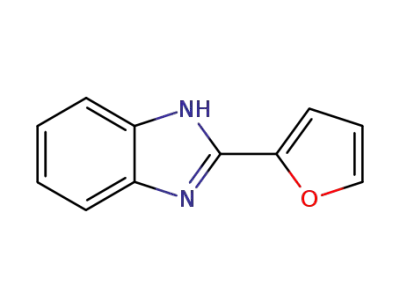
fuberidazole
benzoimidazole
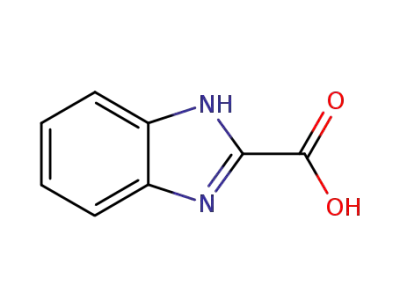
2-benzimidazolecarboxylic acid
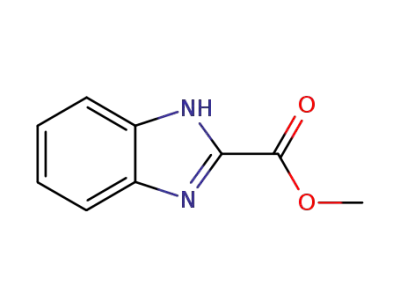
BICA methyl ester

2,2'-bi-1H-benzimidazole
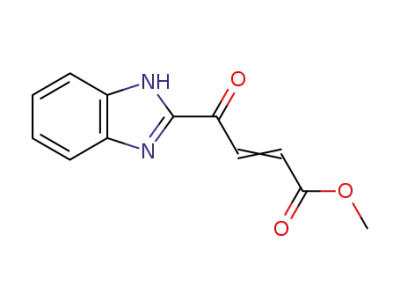
methyl 4-oxo-2-benzimidazolecrotonate

1-methoxy-benzimidazole
| Conditions | Yield |
|---|---|
|
Product distribution;
Mechanism;
Quantum yield;
Irradiation;
reaction in acidic CH3OH/H2O at pH 3.0;
|

1,3,5-Triazine

1,2-diamino-benzene
2-benzimidazolecarboxylic acid

chloroform

2-(1H-benzo[d]imidazol-1-yl)ethanol

benzoimidazole-1-carboxylic acid anilide

1-Piperidinomethyl-benzimidazol
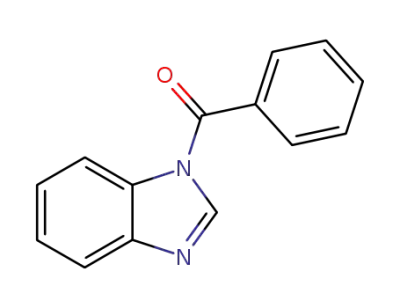
N-benzoylbenzimidazole
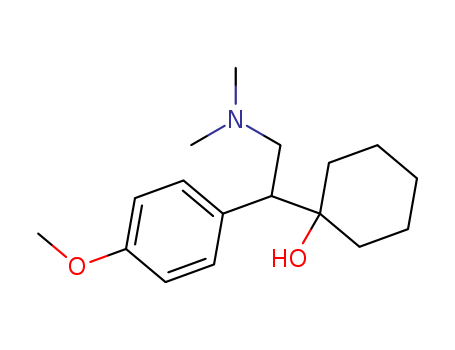
CAS:93413-69-5
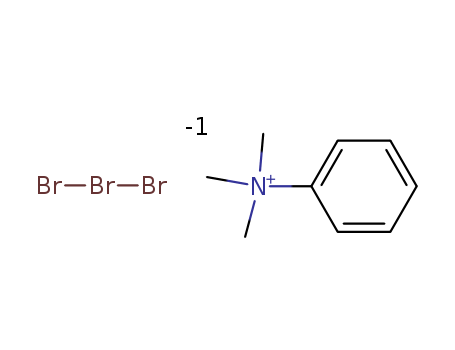
CAS:4207-56-1
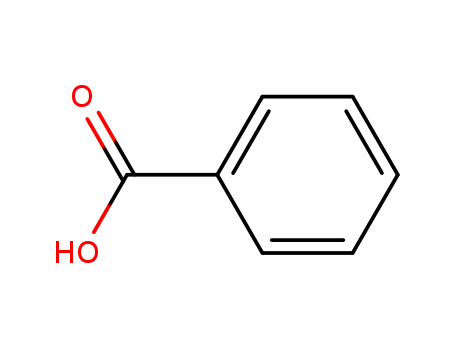
CAS:65-85-0
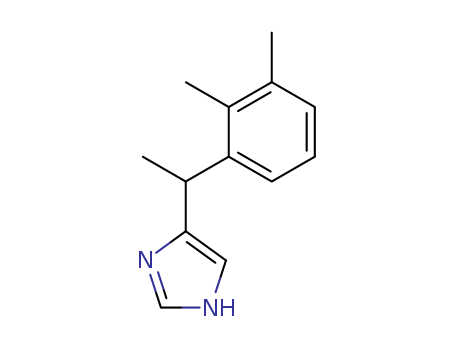
CAS:86347-14-0
